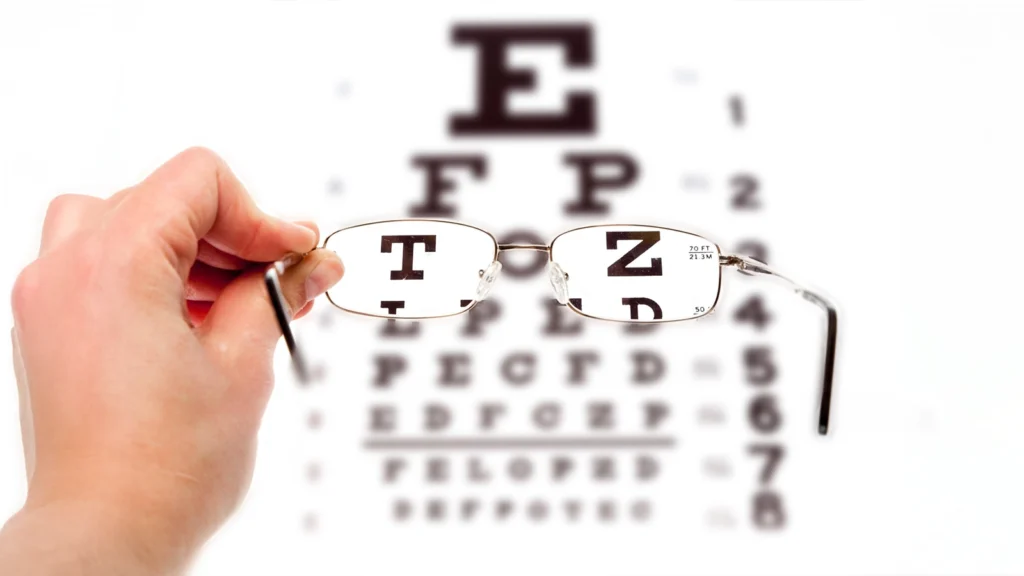
Clear vision is important for daily life and the right spectacles can make a major difference in comfort, clarity, and eye health. Many people search for guidance from the best Ophthalmologist in Aurangabad or the best eye surgeon in Aurangabad to understand which spectacles suit their eyes. Specialists like Dr Rohit Bang often explain that different vision problems need different lens types. This blog will give you a simple guide to help you choose the correct spectacles based on your vision needs.
Understanding Common Vision Problems
Vision issues happen when light does not fall correctly on the retina. Here are the most common eye conditions and how they affect vision.
Myopia or Nearsightedness
People can see nearby objects clearly but distant objects appear blurry
Cause
Light focuses in front of the retina
Hyperopia or Farsightedness
People see distant objects clearly but face difficulty with reading and close work
Cause
Light focuses behind the retina
Astigmatism
Vision becomes blurred or distorted at all distances due to irregular eye curvature
Cause
Uneven shape of the cornea or lens
Presbyopia
A natural age related change where near vision becomes difficult after forty
Cause
Reduced flexibility of the natural eye lens
Digital Eye Strain
Discomfort caused by long screen hours
Cause
Blue light exposure and constant near focus
A Simple Text Graph Showing Frequency of Vision Problems
Myopia ████████████████
Hyperopia ██████
Astigmatism ███████████
Presbyopia █████████████████
Digital Eye Strain ███████████████████████
Spectacle Options for Each Vision Problem
Spectacle Options for Myopia
- Single vision lenses for clear distant vision
- High index lenses for a thinner and lighter look
- Anti glare coating for safe night driving
- Blue light protection for digital users
Spectacle Options for Hyperopia
- Single vision lenses designed for close clarity
- High index lenses to reduce lens thickness
- Lightweight frames for comfortable daily use
- Blue light coating to reduce strain while reading
Spectacle Options for Astigmatism
- Cylindrical lenses to correct uneven focus
- Strong frame grip to maintain lens axis
- Anti glare lenses for better clarity in low light
- Accurate fitting by a trained specialist like Dr Rohit Bang
Spectacle Options for Presbyopia
- Reading glasses for near tasks
- Bifocal lenses for two distance zones
- Progressive lenses for smooth vision at all distances
- Anti fatigue lenses for people who read for many hours
Spectacle Options for Digital Eye Strain
- Blue light blocking lenses
- Anti glare lenses for screen comfort
- Light and flexible frames for long wear
- Lenses with near support for office workers
Comparison Table
Lens Types for Different Vision Problems
| Vision Problem | Suitable Lens Type | Benefits |
| Myopia | Single vision lens | Clear distant vision and thinner high index options |
| Hyperopia | Single vision lens | Better near clarity and reduced eye strain |
| Astigmatism | Cylindrical lens | Corrects uneven focus and improves sharpness |
| Presbyopia | Progressive lens or Bifocal lens | Smooth vision at all distances without switching glasses |
| Digital Eye Strain | Blue light protection lens | Reduces eye fatigue and improves comfort during screen use |
How to Choose the Right Lenses
Consider Your Daily Routine
- Long screen use needs blue light protection
- Frequent driving benefits from anti glare coating
- Outdoor use may need photochromic lenses
Consider Frame Material
- Lightweight frames for long hours of wear
- Flexible frames for children
- Strong frames for high power lenses
Importance of a Professional Eye Checkup
Only a professional eye specialist such as the best Ophthalmologist in Aurangabad or an experienced eye surgeon like Dr Rohit Bang can correctly evaluate your eye power. Accurate measurement ensures comfortable vision and avoids headaches and blurred vision.
FAQs
Frequently Asked Questions
1. Which spectacle lens is best for myopia
Single vision lenses are ideal. High index lenses are great for people with high power since they make the spectacles lighter.
2. What is the best option for people above forty
Progressive lenses offer clear vision at all distances and are convenient for daily use.
3. Are blue light lenses useful
Yes. They help reduce strain caused by prolonged mobile and computer use.
4. When should I replace my spectacles
Every one to two years or whenever your vision feels strained or blurry.
5. Can one pair of spectacles work for everything
Progressive lenses are the best all in one solution.
Final Thoughts
Choosing the right spectacles is an important decision for your eye health. Understanding your vision problem helps you select the most helpful lens type. Whether it is myopia, hyperopia, astigmatism, presbyopia, or digital eye strain, there are specific lenses designed for each condition. With proper guidance from specialists like Dr Rohit Bang who is recognised by many patients as the best Ophthalmologist in Aurangabad and a trusted eye surgeon, you can enjoy clear and comfortable vision every day.