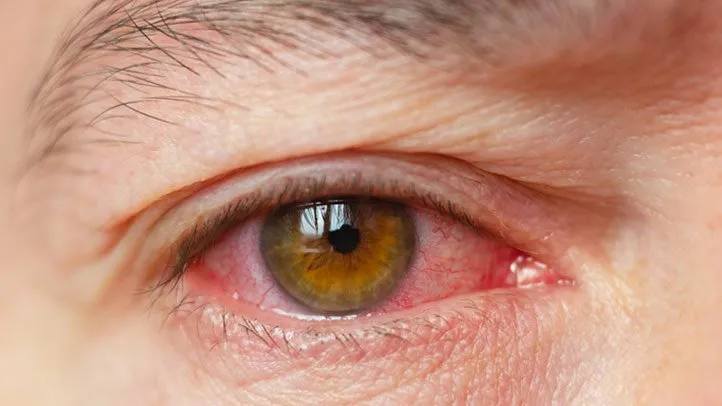
Dry Eye Syndrome (DES), also known as keratoconjunctivitis sicca, is a multifactorial disease of the tears and ocular surface. It is often underrecognized but can significantly impact a patient’s quality of life. Clinically, it’s not just about discomfort—it can impair visual function and lead to corneal damage.
Why Dry Eye Happens: The Science Behind It
Dry eye occurs due to either decreased tear production or increased evaporation of the tear film. The tear film comprises three layers—aqueous (water), mucin (mucus), and lipid (oil). Dysfunction in any of these layers can result in instability and symptoms.
Primary Causes of Dry Eye
1. Meibomian Gland Dysfunction (MGD)
A major contributor to evaporative dry eye; glands become blocked and stop producing sufficient oil for the tear film.
2. Aqueous Tear Deficiency
Seen in conditions like Sjögren’s Syndrome, where the lacrimal glands fail to produce adequate tears.
3. Systemic Diseases
Autoimmune disorders, diabetes, and thyroid dysfunction contribute to decreased tear secretion.
4. Ocular Surgeries
Post-LASIK and cataract surgeries often disturb the ocular surface and corneal nerves, reducing reflex tear production.
5. Contact Lens Wear and Long-Term Medication Use
Leads to chronic inflammation of the conjunctiva and corneal surface.
Who Is at Risk?
- People over age 50
- Females (especially during menopause)
- Computer and phone users
- People living in dry or polluted environments
- Patients with systemic illnesses or those on multiple medications
How to Diagnose Dry Eye Accurately
Modern diagnostic techniques include:
- Tear osmolarity testing
- LipiView imaging
- Meibography
- InflammaDry test for MMP-9 marker detection
These allow for targeted therapy depending on whether the dry eye is evaporative, aqueous-deficient, or mixed.
Best Treatment Options Today
1. Individualized Tear Therapy
Preservative-free lubricants are preferred for long-term use to avoid toxicity.
2. Prescription Immunomodulators
These address inflammation—a key contributor in chronic dry eye.
3. Gland Expression and Thermal Pulsation Therapy
Clears blocked meibomian glands, especially in MGD.
4. Autologous Serum Eye Drops
Used in severe dry eye when conventional methods fail.
5. Lifestyle Optimization
Ergonomic setups for digital devices, blue light filters, and regular breaks help prevent digital eye strain-related dryness.
Latest Advances
- Intense Pulsed Light (IPL) therapy has shown excellent results in treating ocular rosacea and MGD.
- Low-Level Light Therapy (LLLT) supports meibomian gland stimulation.
Preventive Strategies
- Regular eye exams
- Awareness of symptoms like blurred vision and irritation
- Early management of systemic illnesses
- Educating patients about contact lens hygiene
Final Thoughts
Dry eye is a dynamic and progressive condition that needs tailored management. As awareness grows, early diagnosis and treatment are more achievable than ever. Patients no longer have to live with persistent discomfort—modern eye care offers solutions that are both effective and safe.
If you’re experiencing signs of dry eye, consult your ophthalmologist or optometrist to determine the cause and begin appropriate therapy. The sooner it’s addressed, the better your vision and eye comfort will be.